In Vastu Shastra, nothing in a home is neutral. Where an object rests — the direction it faces, the corner it occupies — is believed to shape the flow of energy through your space. For sacred artifacts, thoughtful placement turns a beautiful object into a daily source of balance, prosperity and calm.
This guide brings together the essentials of Vastu placement so you can position each piece where it will do the most good.
The logic of direction
Vastu divides a home into eight directions, each governed by an element and a deity, and each carrying its own intention. Understanding a few of them is enough to place most pieces well.
- North-East (Ishanya) — the most sacred zone, linked to water, clarity and spirituality. Ideal for a pooja space.
- North (Kubera) — the direction of wealth, flow and opportunity.
- East (Surya) — ruled by the rising sun; associated with health, vitality and new beginnings.
- South-East (Agni) — the corner of fire, energy and vitality.
- South-West (Nairutya) — associated with stability, strength and relationships.
Where to place your deities and symbols
Ganesha
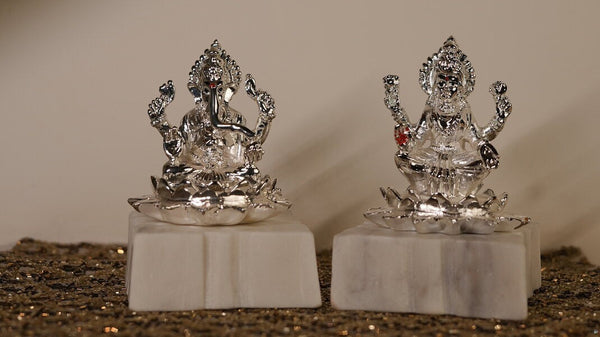
Lord Ganesha, the remover of obstacles, is best placed in the North-East or facing the main entrance, where he guards the threshold and welcomes positivity inward. Read more in Ganesha at the Threshold, or view the Silver Sovereign Ganesha.
Goddess Lakshmi
Lakshmi, the goddess of wealth, belongs in the North — the direction of Kubera, keeper of prosperity. Placed here, she is believed to invite steady abundance. Explore the Silver Lakshmi Murti.
Vastu animals — elephant, horse and more
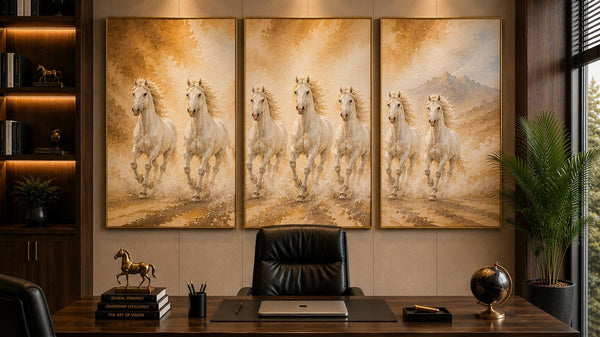
Symbolic forms carry their own directions: the elephant near the entrance for wisdom and fortune, the horse in the South for momentum and success, the tortoise in the North for stability. Browse the full Vaastu collection.
The Shankh and pooja objects
Sacred objects such as the Shankh are best kept in the pooja space or the North-East, where they purify the surroundings and radiate positive vibrations.
Common placement mistakes to avoid
- Keeping idols in the bedroom facing the bed, or inside a bathroom wall.
- Cluttering the North-East corner — it should stay clean, open and softly lit.
- Placing deities directly on the floor rather than on a raised, clean surface.
- Displaying broken or damaged idols, which Vastu advises replacing.
Placement as a daily ritual
Vastu is, at heart, a practice of intention — a way of living deliberately. Position a piece with care and it becomes more than decoration: a daily reminder of the values you wish to keep close. Every Amayaah product page includes a suggested Vastu direction, so you can place each artifact with confidence.